
How Are Commonplace Delivery Drivers Trained?
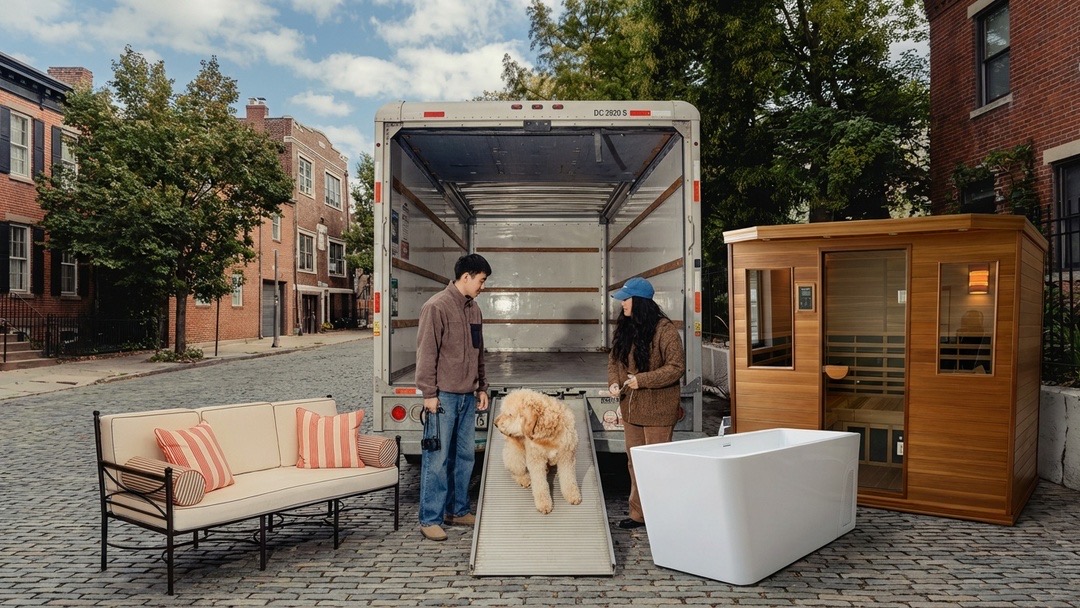
Every category gets its own driver course and quiz. Ari Kimmelfeld on The Circularity Catalyst on how Commonplace drivers learn to move, inspect, and set up big items.

Watch the episode: What We Talked About: Millions of Pelotons Collecting Dust (Ari Kimmelfeld's Marketplace), The Circularity Catalyst with Ken Alston, aired October 12, 2026. Listen on YouTube.
Short answer: For every category Commonplace takes on, it builds a driver course. Drivers complete it and pass a quiz before they can be assigned that product, brand, or category, and the courses keep improving as the team learns from each delivery.
Ken Alston asked Ari Kimmelfeld on The Circularity Catalyst how Commonplace uses what its drivers learn.
What Ari said
Every category we get into, we build a driver's course. And so the driver has to go through the training course before they can get assigned that product or that brand or that category. And a lot of the times we'll recruit drivers that are already experts in that category.
Ari Kimmelfeld on The Circularity Catalyst, at 20:40
His examples: appliance experts for ranges and refrigerators, and hot tub experts for spas, swim spas, and saunas.
There are some unique points, that certain treadmills need to be assembled a specific way. And so over time we've assembled a lot of different training courses that the drivers have to take, and then there are quizzes that they have to complete, earn a certain score, in order to be eligible to do a delivery within that category.
Ari Kimmelfeld on The Circularity Catalyst, at 21:15

Where the knowledge comes from
There's already a pretty large knowledge base on the internet, whether it's by the brands or on Reddit or on Facebook groups... But there's also the school of hard knocks, and sometimes you learn best by doing things. And a lot of the time our drivers will also have experience with some of these products, and they'll add to the knowledge base.
Ari Kimmelfeld on The Circularity Catalyst, at 21:56
Some of it is about the products themselves. Ari's hot tub example:
There are certain hot tubs that have foam all around them, and you have to pull out some of that foam to repair a leak. And then there are some hot tubs that just have the outer casing, which is really easy to remove, and you can get straight to the leak and fix it.
Ari Kimmelfeld on The Circularity Catalyst, at 22:58
Who is responsible in transit
We obviously take on the risk of something going wrong between the time of pickup and the time of delivery. And we take the responsibility of either fixing or replacing the product if something happens... But that's one of the reasons why we train our drivers.
Ari Kimmelfeld on The Circularity Catalyst, at 13:48
Most of our drivers are on the platform, and they do many deliveries for us. And so they have a reputation score, they have reviews that they get from clients that we've served before. So that gets better and better over time.
Ari Kimmelfeld on The Circularity Catalyst, at 14:13
What does delivery include? Read what white-glove delivery includes. For the full conversation, read Why Do Pelotons Sit?: Ari Kimmelfeld on Circularity Catalyst.
Commonplace is the Facebook Marketplace, Craigslist and OfferUp alternative for big items. Listing is free, and Commonplace handles pickup, inspection, delivery, secure payments, and a free two-month parts warranty. See how it works.
Related questions
Are Commonplace drivers trained to move hot tubs and treadmills?
Yes. For each category, Commonplace builds a driver course with a quiz. Drivers must pass it before they can be assigned that product, brand, or category, and Commonplace often recruits drivers who already know the category.
What happens if an item is damaged in transit?
Ari said Commonplace takes on the risk between pickup and delivery and either fixes or replaces the item. The buyer checks the item at delivery.
Do drivers set the item up?
Yes. Delivery is white-glove: the crew brings it in, stairs included, and sets it up. Delivery is free within 100 miles of the seller.
Thank you to Ken Alston for having Ari on The Circularity Catalyst. Quotes are from the episode, lightly edited for reading. Listen to the full conversation on YouTube.
More from Ari's podcast interviews: questions Ari answered on podcasts and every show he has been on.